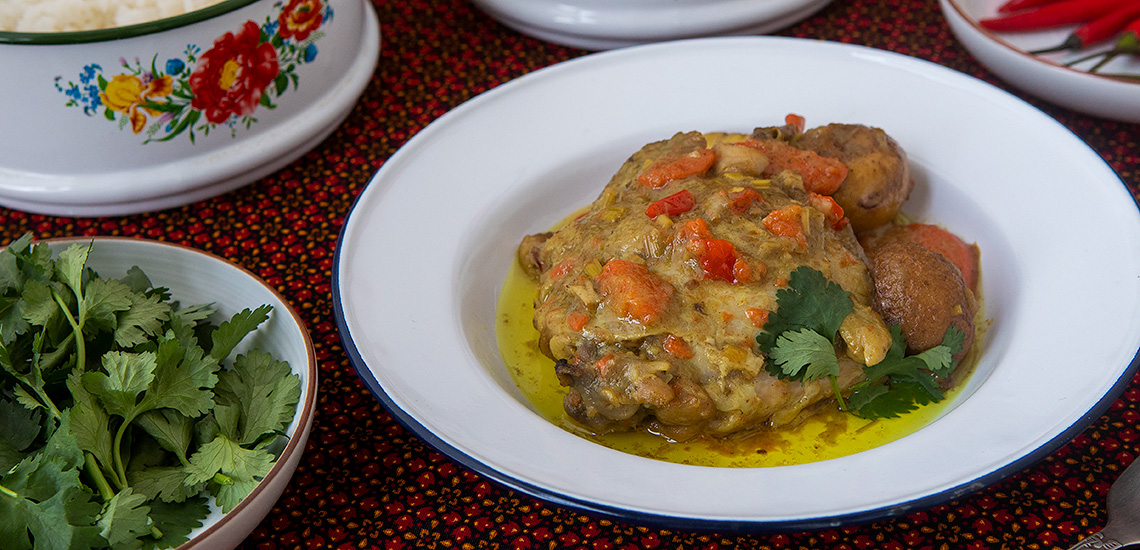
Mastering Ca Ri Ga: Secrets to Perfect Vietnamese Chicken Curry
Vietnamese cuisine is a symphony of fresh ingredients, vibrant flavors, and aromatic spices, and few dishes embody this better than
Ca Ri Ga. This comforting, deeply flavorful
Vietnamese chicken curry ca ri ga is a staple in Vietnamese homes and restaurants worldwide, beloved for its rich coconut milk base, tender chicken, and medley of vegetables. Far from the fiery curries of some other Asian cuisines, Ca Ri Ga offers a milder, more aromatic experience, balancing savory, sweet, and subtly spicy notes that dance on the palate. Whether you're a seasoned home cook or new to Vietnamese flavors, mastering this dish is a rewarding culinary adventure that promises delicious results.
The Essence of Ca Ri Ga: A Culinary Journey
At its heart,
Vietnamese chicken curry ca ri ga is a testament to Vietnam's culinary philosophy: fresh ingredients prepared with balance and care. Unlike Indian or Thai curries, Ca Ri Ga features a distinctive blend of spices – often including turmeric, curry powder, and lemongrass – harmoniously married with the creamy richness of coconut milk. The French influence on Vietnamese cuisine is evident in this dish, as "cà ri" (curry) itself is a borrowed term, and the frequent accompaniment of a crusty baguette speaks volumes about its colonial past.
What truly sets this dish apart is its unique flavor profile. While coconut milk provides a luxurious base, ingredients like fish sauce (nuoc mam), ginger, garlic, and shallots contribute layers of umami and pungency. The inclusion of root vegetables like potatoes and carrots adds natural sweetness and hearty texture, making it a complete meal in one pot. For a deeper dive into what makes this particular curry stand out, you might want to explore
What Makes Vietnamese Chicken Curry Ca Ri Ga Unique? It truly highlights the fascinating blend of tradition and adaptation that defines this beloved dish.
Key Ingredients That Define Vietnamese Chicken Curry
- Chicken: Typically bone-in, skin-on chicken pieces (thighs and drumsticks are popular) for maximum flavor and tenderness.
- Coconut Milk: The backbone of the curry, providing creaminess and a subtle sweetness. Always opt for good quality, full-fat coconut milk.
- Lemongrass: A quintessential Vietnamese aromatic, it infuses the curry with a bright, citrusy, and slightly gingery note.
- Ginger and Garlic: Essential aromatics that form the foundation of flavor.
- Shallots: Sweeter and milder than onions, adding depth without overpowering.
- Curry Powder & Turmeric: While Vietnamese cuisine has its own flavor palette, a mild Vietnamese or Indian-style curry powder, often bolstered by extra turmeric for color and earthy notes, is common.
- Fish Sauce (Nuoc Mam): The irreplaceable salty, umami-rich condiment that is a cornerstone of Vietnamese cooking.
- Potatoes and Carrots: Hearty vegetables that absorb the curry's flavors beautifully and add substance.
- Sweet Potato (Optional): Some recipes include sweet potato for an added layer of sweetness and creaminess.
The French Influence and Vietnamese Adaptation
The journey of curry to Vietnam is a fascinating one. French colonists introduced a variety of spices and cooking techniques, including the concept of "curry" as a stew-like dish. The Vietnamese then took this inspiration and made it their own, adapting it to local ingredients and palates. This resulted in a curry that is less spice-heavy than its South Asian counterparts, emphasizing aromatics like lemongrass and the crucial umami of fish sauce, alongside the ubiquitous creamy texture from coconut milk. The marriage of these elements creates a curry that is distinctly Vietnamese, a true fusion masterpiece.
Mastering the Art of Ca Ri Ga: Step-by-Step Secrets
Creating a perfect pot of
Vietnamese chicken curry ca ri ga is less about complex techniques and more about patient layering of flavors. Each step contributes to the final harmonious result. For a detailed, actionable recipe, check out our guide on
Authentic Vietnamese Ca Ri Ga: Easy Chicken Curry Recipe. Here are some essential secrets to consider:
Prepping Your Proteins and Produce
The foundation of any great curry begins with proper preparation. For the chicken, cut it into manageable pieces (bone-in is preferred for flavor but boneless works too).
Marination is crucial. A good marinade typically includes fish sauce, sugar, curry powder, and minced lemongrass. Allow the chicken to marinate for at least 30 minutes, or ideally several hours in the refrigerator. This step deeply infuses the chicken with flavor and ensures it remains tender during cooking. Vegetables like potatoes and carrots should be cut into roughly 1-inch chunks to ensure they cook evenly and hold their shape without becoming mushy.
Building Layers of Flavor
The depth of Ca Ri Ga comes from sautéing the aromatics. Begin by gently frying minced garlic, ginger, and shallots until fragrant. This releases their essential oils and forms the base flavor. Next, add the marinated chicken and brown it lightly on all sides. This caramelization adds another layer of flavor and seals in juices. Once the chicken has a nice sear, stir in the curry powder and turmeric, allowing them to toast for a minute. This "blooming" of the spices enhances their aroma and flavor significantly.
The Perfect Simmer
After browning the chicken and blooming the spices, it's time to add the liquids. Pour in the coconut milk, chicken broth (if using), and any remaining marinade. Bring the mixture to a gentle simmer. This slow cooking process is where the magic happens. The flavors meld, the chicken becomes incredibly tender, and the curry develops its signature richness. Add the potatoes and carrots after the curry has simmered for about 15-20 minutes with the chicken, ensuring they cook through but don't turn into a purée.
Achieving the Ideal Consistency
A perfect
Vietnamese chicken curry ca ri ga should have a thick, luxurious sauce that coats the back of a spoon. If your curry is too thin, you can gently simmer it uncovered for a longer period to allow some liquid to evaporate. Alternatively, a cornstarch slurry (a mixture of cornstarch and a little cold water) can be added towards the end to thicken it to your desired consistency. Remember to add it gradually and simmer for a few minutes to cook out the raw cornstarch taste.
Serving Ca Ri Ga: More Than Just a Meal
Ca Ri Ga is a communal dish, designed to be shared and savored. Its versatility means it pairs wonderfully with various accompaniments, turning a simple meal into a delightful feast.
Traditional Accompaniments
The most iconic pairing for Ca Ri Ga is a warm, crusty
Vietnamese baguette (bánh mì). The bread is perfect for soaking up every last drop of the rich, aromatic sauce. The slight crispness of the crust and fluffy interior provide a delightful contrast to the creamy curry. Alternatively, it's frequently served with steamed jasmine rice or rice vermicelli noodles (bún), offering different textural experiences. A side of pickled daikon and carrot (đồ chua) or a simple cucumber salad can provide a refreshing counterpoint to the richness of the curry.
Creative Variations and Pairings
While chicken is traditional, Ca Ri Ga can be adapted with other proteins like duck (Ca Ri Vit) or even tofu and mushrooms for a vegetarian version. Garnish with fresh herbs like cilantro, basil, and a squeeze of lime juice just before serving to brighten the flavors. For those who enjoy a little heat, a dash of sriracha or a few slices of fresh bird's eye chili can be added at the table.
Tips for Elevating Your Vietnamese Chicken Curry
To truly master
Vietnamese chicken curry ca ri ga, keep these expert tips in mind:
Ingredient Sourcing Matters
Invest in good quality ingredients. Fresh lemongrass, robust fish sauce, and rich coconut milk make a noticeable difference. If fresh lemongrass is unavailable, frozen minced lemongrass can be a good substitute, but avoid dried versions.
Don't Rush the Marinade
The longer the chicken marinates, the more flavorful and tender it will become. Overnight marination is ideal for a deeply infused taste.
Adjusting Spice Levels
Traditional Ca Ri Ga is mild, but you can easily adjust the spice. Add a pinch of cayenne pepper or a small amount of fresh chili (like Thai bird's eye chili) along with your aromatics for more heat. Alternatively, serve chili oil on the side for individual customization.
The Role of Fresh Herbs
Never underestimate the power of fresh herbs. Cilantro, Vietnamese mint, and Thai basil, added just before serving, provide a burst of freshness and aroma that elevates the entire dish. A squeeze of fresh lime juice also brightens the flavors significantly.
Conclusion
Mastering Ca Ri Ga is a journey into the heart of Vietnamese comfort food. This aromatic, creamy, and subtly complex
Vietnamese chicken curry ca ri ga offers a unique culinary experience that is both deeply satisfying and wonderfully versatile. By paying attention to ingredient quality, patient marination, and careful layering of flavors, you can recreate this authentic taste of Vietnam in your own kitchen. Whether mopped up with a crusty baguette or served alongside fluffy rice, Ca Ri Ga is more than just a meal; it's a warm embrace, a testament to the rich culinary traditions of Vietnam, and a dish that truly deserves a place in your cooking repertoire. Enjoy the process, and savor every delicious spoonful!